Fly-tipping Incidents Annually in England
1M+
Incidents reported each year, incurring millions in cleanup costs.
Recycling at home is a small yet impactful way to contribute to environmental sustainability. By understanding what can be recycled and how to do it effectively, you can lead the charge in responsible waste management. Let's explore the key insights that will empower you to make a difference!
Effective waste management is crucial for environmental protection and community well-being. The following statistics highlight the scale of current challenges and the potential for positive impact through proper recycling and disposal practices.
1M+
Incidents reported each year, incurring millions in cleanup costs.
£50K
A significant penalty for non-compliance with waste regulations.
62%
The current percentage of waste in the UK that is recycled.
At High Court Skip Hire, we believe that effective recycling starts right at home! Understanding what you can recycle is crucial for reducing waste and protecting our environment. By making small changes in our daily routines, we can make a big difference in waste management and sustainability.
Recycling at home is not only beneficial for the planet but also for your community. It helps to reduce landfill waste and conserves natural resources. Plus, every item you recycle is one less that needs to be taken to a skip or garbage bin, contributing to responsible waste management. Let's dive into the specifics!
Recycling at home plays a vital role in managing waste effectively. Here are a few reasons why it matters:
By prioritizing recycling, we can collectively contribute to a cleaner and greener future for everyone!
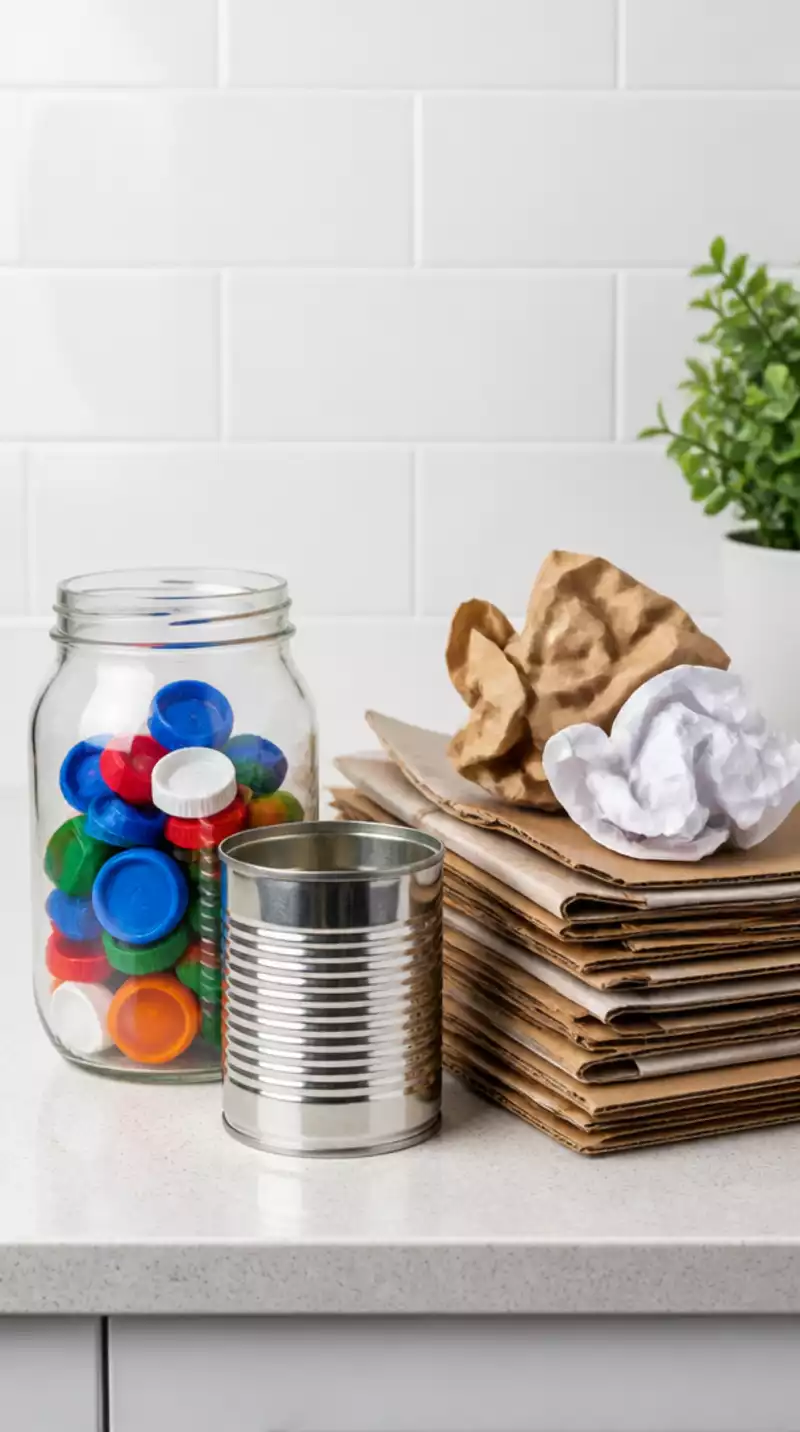
Many items in our homes can be recycled, but it’s essential to know what qualifies. Here are some common household items that you can recycle:
Keep in mind that contamination can spoil batches of recyclable materials, so it’s essential to rinse items before putting them in your recycling bin.
Recycling symbols can sometimes be confusing, but they are there to guide us! Familiarizing yourself with these symbols can help ensure you’re recycling correctly.
If you're ever in doubt, checking your local recycling guidelines is a great way to ensure you're making the right decisions for your waste!
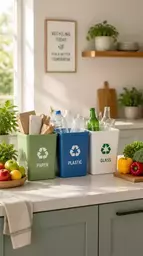
Did you know? Keeping your recycling bins organized can significantly improve your recycling efforts. Consider using color-coded labels to easily identify which bin is for paper, plastic, glass, and metal. This small change can help everyone in your household recycle more effectively!
At High Court Skip Hire, we believe that every small action counts when it comes to making a big difference for our planet! Establishing a home recycling system can significantly contribute to reducing waste and promoting sustainability. Here’s how you can set up an efficient recycling system in your home!
Creating an effective recycling system starts with organization and commitment! Here are some practical steps to help you get started:
By implementing these simple strategies, you can create a system that not only simplifies recycling but also encourages everyone in your household to participate enthusiastically!
Recycling isn’t just a home effort; it’s a community one! Engaging your neighbors and local community can amplify your recycling impact. Here are some ways to encourage participation:
When we come together as a community, we can create a lasting impact on our environment. Let's work together to encourage everyone to recycle responsibly!
Recycling at home is important because it reduces landfill waste, conserves natural resources by reusing materials, and can save money for households and local governments in waste disposal costs. It also helps decrease greenhouse gas emissions, contributing to a cleaner environment.
Common household items suitable for recycling include paper and cardboard (newspapers, magazines, cardboard boxes), plastics marked with recycling symbols #1 (PETE) and #2 (HDPE), clean glass bottles and jars, and aluminum cans from soft drinks and food.
You can identify recyclable items by looking for recycling symbols. The "Triangle with a Number" indicates the type of plastic, and "Chasing Arrows" mean the item is generally recyclable, though local guidelines vary. The "Green Dot" indicates a manufacturer's contribution to recycling, but not necessarily that the item is recyclable. Always check your local recycling guidelines if you're unsure.
To set up an efficient home recycling system, designate clearly labeled bins for different materials (paper, plastics, glass, metals) in accessible areas. Educate everyone in your household on what can and cannot be recycled. Establish a routine for emptying bins and taking them to your curb or local facility, and remember to rinse containers to prevent contamination.
Upcycling is the creative process of repurposing old items to give them new life, rather than discarding them. It contributes to sustainability by reducing waste, conserving resources that would be used to create new products, and adding unique, personal touches to your home. Examples include transforming old furniture, using glass jars for decor, or revamping old clothes.
Now that you have a solid understanding of how to recycle at home effectively, it’s time to take action! Embrace the changes you’ve learned about, and let’s make a difference together!
There’s no better time to start recycling than now! Gather your family, choose your recycling bins, and take that first step towards a greener home. Every effort counts, and you'll be amazed at the difference a little commitment can make!
Finding local resources can simplify your recycling journey. Here are some helpful places to check:
Don’t hesitate to reach out and ask questions—community support is invaluable when starting your recycling journey!
Upcycling is a fantastic way to give new life to old items! Instead of discarding things you no longer need, consider how you can creatively repurpose them. This not only reduces waste but also adds a personal touch to your home!
At High Court Skip Hire, we're passionate about responsible waste management and sustainability. Upcycling is a wonderful way to embrace creativity while being environmentally conscious. Let’s make a difference together, one upcycled project at a time!
Here is a quick recap of the important points discussed in the article: