Starting Home Recycling Made Simple

Starting Home Recycling Made Simple

Recycling at home is more than just a good habit; it's a vital step towards reducing waste and conserving our planet's resources. As you embark on your recycling journey, you'll discover that small changes can lead to substantial impacts on your environment and community.

What You Will Learn

  • Understanding the importance of home recycling for environmental conservation and community well-being.
  • The significant benefits of recycling, including lower greenhouse gas emissions and energy conservation.
  • How effective recycling reduces pollution and promotes sustainable practices for future generations.
  • Key steps to effective home recycling: know your local guidelines, set up a system, keep recyclables clean, and stay engaged.

Key Environmental Impacts of Home Recycling

Here's a snapshot of the crucial statistics and reasons why proper waste management, starting with home recycling, makes a significant difference.

STATISTIC: 1M+ Fly-tipping Incidents Annually in England

This highlights the scale of illegal dumping, costing councils and taxpayers millions.

STATISTIC: £50K Maximum Fine for Illegal Dumping

A significant deterrent for improper waste disposal, emphasizing the legal implications.

STATISTIC: 62% of UK Waste Can Be Recycled

Shows the vast potential for increasing recycling rates and reducing landfill waste.

Four Key Reasons to Dispose of Waste Properly

1. It's the Law

Avoid fines up to £50,000 or prison time by using licensed services.

2. Protect the Environment

Recycle materials like wood, metal, and plastics to reduce landfill waste.

3. Keep Your Community Clean

Prevent fly-tipped waste, vermin, and property value damage.

4. Save Money Long-Term

Avoid costly council fines, making skip hire an affordable alternative.

Understanding the Basics of Home Recycling

Recycling at home is not just a trend; it's becoming a necessary practice for everyone who wants to contribute to a healthier planet. By understanding the basics of home recycling, you can play a crucial role in reducing waste and conserving resources. I always encourage my customers at High Court Skip Hire to think about how they manage their waste, and recycling is a key part of that process!

It’s important to start recycling at home because it helps keep our communities clean and reduces the amount of waste sent to landfills. Plus, it's often straightforward to do with just a little planning. When I see people taking steps to recycle, it brings a smile to my face because I know they are making a difference!

Why Start Recycling at Home?

Many people wonder why they should bother recycling at home. Well, one of the biggest reasons is that it’s the right thing to do. Recycling helps reduce the demand for new materials, conserving energy and natural resources. When you recycle, you’re also reducing the amount of waste that ends up in landfills, which can be harmful to our environment.

  • It lowers greenhouse gas emissions.
  • It saves energy – recycling materials requires less energy compared to producing new ones.
  • It conserves natural resources, allowing future generations to benefit.

Overall, starting to recycle at home is a simple way to contribute positively to the environment. You’ll be surprised at how much you can save and how simple changes can lead to significant impacts!

The Environmental Impact of Recycling

When we talk about the environmental impact of recycling, we’re addressing a crucial issue that affects everyone. Recycling not only helps to divert waste from landfills but also lessens pollution caused by waste incineration and landfilling. Every little bit helps, and the collective efforts of individuals can lead to substantial positive change!

Exploring the Environmental Benefits of Effective Recycling

Effective recycling has numerous benefits that extend beyond just waste reduction. Here are some of the key benefits:

  • Conserves energy and reduces the need for new resources, which means less environmental disturbance.
  • Reduces air and water pollution by minimizing the need for waste disposal.
  • Promotes sustainable practices that can lead to a healthier planet for future generations.

At High Court Skip Hire, I often remind my customers that responsible waste management is a part of a larger commitment to sustainability. It all starts at home, and every small effort counts!

Did You Know?

According to recent statistics, approximately 62% of UK waste can be recycled. By recycling effectively at home, you not only contribute to conserving valuable resources but also help reduce the overall waste that ends up in landfills. Every small effort counts!

Frequently Asked Questions About Home Recycling

What are the main benefits of recycling at home?
Recycling at home helps reduce waste, conserves natural resources, lowers greenhouse gas emissions, saves energy, and reduces pollution. It also keeps communities clean and can help avoid legal fines related to improper waste disposal.
How does home recycling impact the environment?
Home recycling significantly reduces the amount of waste sent to landfills, decreases the need for new raw materials, and minimizes pollution from waste incineration. This promotes sustainable practices and helps create a healthier planet for future generations.
What percentage of UK waste can be recycled?
Approximately 62% of UK waste can be recycled, highlighting a vast potential for increasing recycling rates and further reducing landfill waste.
What are the key steps for effective home recycling?
The key steps include knowing your local recycling guidelines, setting up a clear and organized recycling system at home, ensuring recyclables are clean and dry, and staying engaged with local recycling programs and initiatives.
Why is proper waste disposal important beyond recycling?
Proper waste disposal is crucial because it's the law (avoiding fines up to £50,000 or prison time), protects the environment from illegal dumping, keeps communities clean by preventing vermin and property devaluation, and can save money long-term by avoiding costly council fines.

Wrapping Up Your Home Recycling Journey

As we come to the end of our journey through home recycling, it’s clear that taking small steps can lead to significant change! With the right approach, you can make recycling a simple and effective part of your daily routine. Here’s a quick summary of key takeaways that can guide you towards effective recycling at home.

  • Know your local guidelines: Familiarize yourself with your area's recycling rules to avoid contamination.
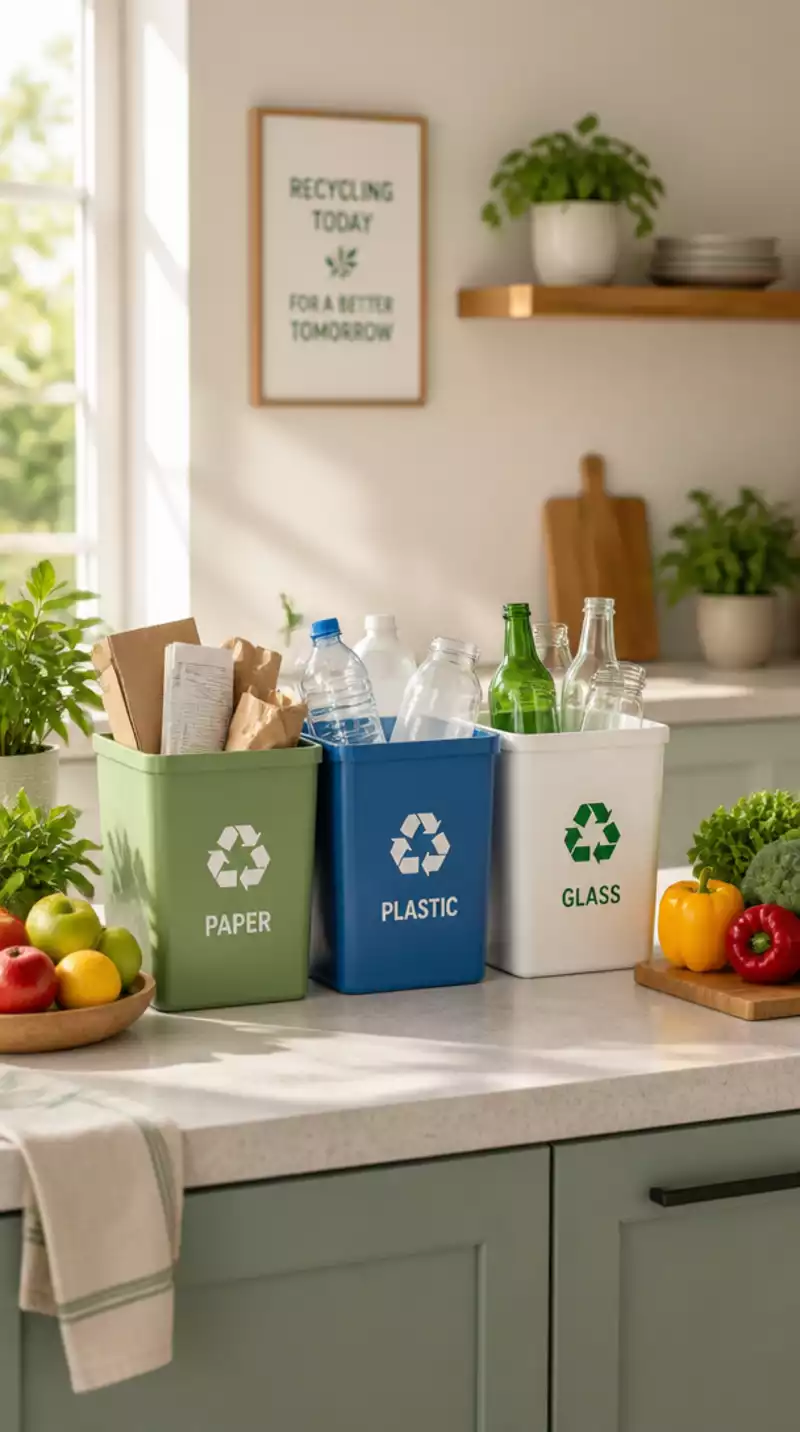
  • Set up a system: Choose the right bins, place them strategically, and label them clearly.
  • Keep it clean: Ensure recyclables are clean and dry before placing them in your bins.
  • Stay engaged: Connect with local programs and initiatives to stay informed about recycling opportunities.

By following these tips, you can contribute positively to your community and the environment. Remember, every little bit helps, and together, we can make a big difference!

Taking Action: Your Next Steps to Recycling at Home

Now that you have a solid understanding of recycling at home, it’s time to take action! Getting started can be as easy as creating a printable recycling checklist for your household. This checklist can serve as a helpful reminder for everyone in your home.

Printable Recycling Checklist for Home Use

  • Identify what can be recycled in your area (paper, plastics, metals, etc.).
  • Set up your recycling bins with clear labels.
  • Schedule weekly reminders to take out the recyclables.
  • Educate family members about the importance of recycling.

Having this checklist will help streamline your recycling efforts and keep everyone on the same page! Plus, it’s a great way to involve children in the practice, teaching them about sustainability.

Encouraging Others to Join in on Recycling Efforts

Your recycling journey can inspire others! By sharing your experiences and knowledge, you can encourage friends, family, and neighbors to adopt recycling practices. Let’s spread the word about responsible waste management and make recycling a community effort.

Participating in Community Clean-up and Green Practices

One effective way to get others involved is to participate in local community clean-up events. You can engage in activities like:

  • Organizing neighborhood recycling drives.
  • Joining local environmental groups focusing on sustainability.
  • Hosting workshops to educate your community about recycling and composting.

By taking part in these initiatives, not only do you enhance your own recycling efforts, but you also contribute to a cleaner and greener community. At High Court Skip Hire, we believe in responsible waste management, and together, we can make recycling a priority in our lives! Let’s keep the momentum going and make a lasting impact.

Recap of Key Points

Here is a quick recap of the important points discussed in the article:
  • Understand local recycling guidelines: Familiarizing yourself with the rules in your area is essential to avoid contamination.
  • Set up an effective system: Choose appropriate bins, place them strategically, and label them for easy identification.
  • Ensure cleanliness: Keep recyclables clean and dry before placing them in your bins to maintain quality.
  • Engage with local programs: Stay informed about local recycling initiatives to maximize your efforts.
  • Involve your community: Encourage friends and family to participate in recycling efforts and local clean-up events.

Popular Posts

Skip Bin Storage Duration Guide Skip Bin Storage Duration Guide Understanding the duration of skip hire is essential for any project involving waste disposal. Wheth
Mini Skip Pricing Explained Simply Mini Skip Pricing Explained Simply Did you know that over a million fly-tipping incidents occur in England every year? Understanding mi
Starting Home Recycling Made Simple Starting Home Recycling Made Simple Recycling at home is more than just a good habit; it's a vital step towards reducing waste and conse
Skip Hire Cost Explained Simply Skip Hire Cost Explained Simply Understanding the intricacies of skip hire costs can save you both time and money, especially if you